
A hybrid car uses both a fuel engine and an electric motor, while a non-hybrid car uses only a petrol or diesel engine
A hybrid car uses both a fuel engine and an electric motor, while a non-hybrid car uses only a petrol or diesel engine. �
Car and Driver +1
Main Differences
Feature
Hybrid Car
Non-Hybrid Car
Engine System
Petrol engine + electric motor
Petrol or diesel engine only
Fuel Consumption
Lower fuel usage
Higher fuel usage
Performance in Traffic
Very efficient in traffic jams
Consumes more fuel in traffic
Maintenance
More complex system
Simpler maintenance
Battery
Has hybrid battery
Normal small battery only
Purchase Price
Usually more expensive
Usually cheaper
Noise
Quieter
Louder engine sound
Emissions
Lower emissions
Higher emissions
Resale in Kenya
Increasing demand
Still widely accepted
Best Use
City driving, Uber, daily commuting
Long-distance, rural use, simple ownership
How a Hybrid Works
A hybrid automatically switches between:
Electric motor
Petrol engine
Or both together
The battery charges itself during driving and braking in most hybrids. �
Autoplus +1
Advantages of Hybrid
Saves fuel
Good for Nairobi traffic
Smooth and quiet driving
Lower emissions
Better fuel economy for Uber/business use
Popular Hybrid Cars in Kenya
Toyota Aqua
Toyota Prius
Toyota Fielder Hybrid
Toyota Harrier Hybrid
Advantages of Non-Hybrid
Cheaper to buy
Easier repairs
Mechanics and spare parts are everywhere
No expensive hybrid battery concerns
Popular Non-Hybrid Cars
Toyota Probox
Toyota Premio
Mazda Demio
Toyota Vitz
Which One Is Better?
Choose Hybrid if:
You drive daily
You spend a lot on fuel
You operate in town/city traffic
You want fuel savings long-term
Choose Non-Hybrid if:
You want lower buying cost
You prefer simpler maintenance
You live where hybrid mechanics are limited
You don’t drive frequently
Many drivers report hybrids saving significant fuel costs, especially in heavy traffic.
Related Vehicles
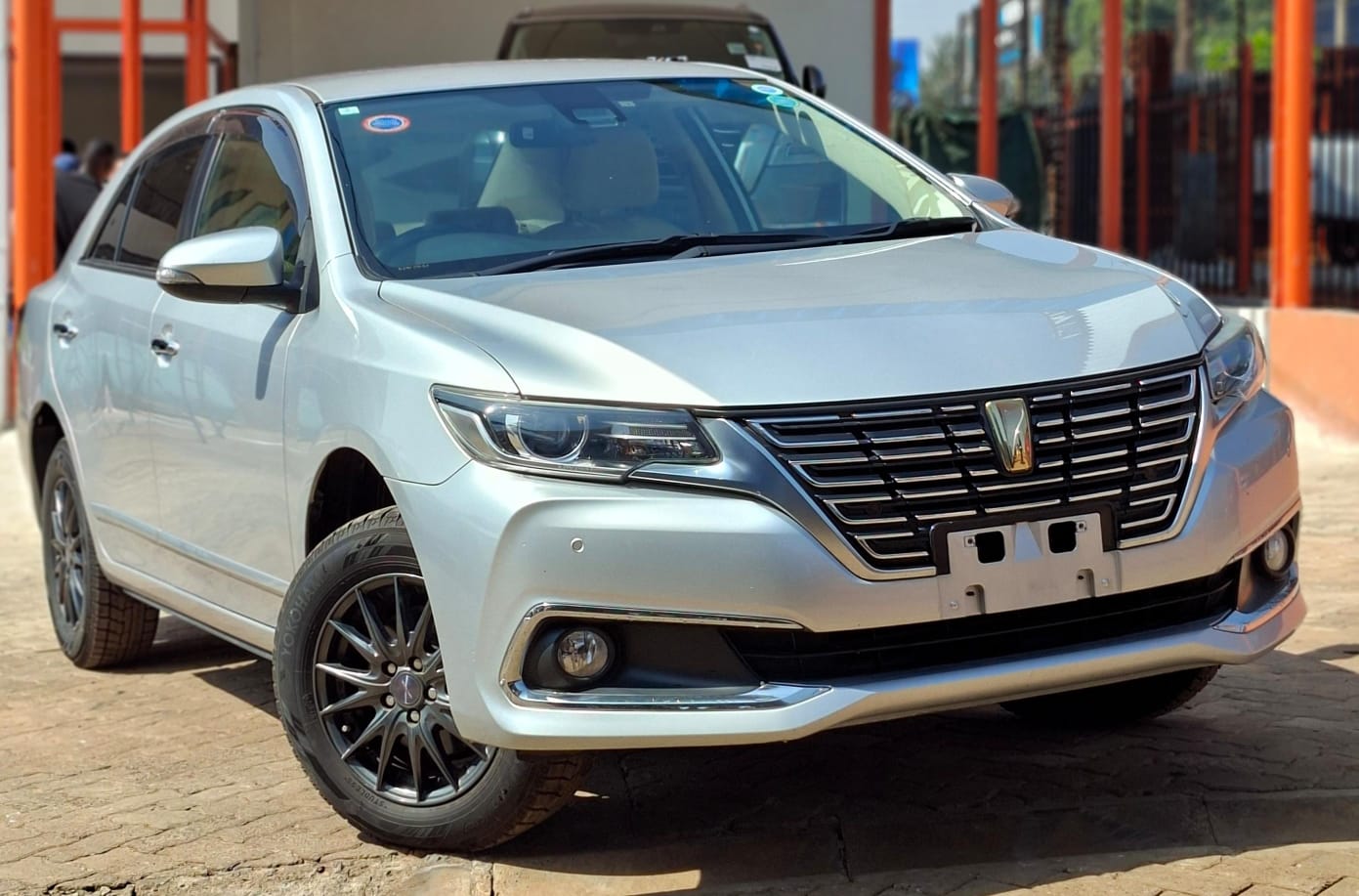
🚗 2018 Toyota Premio | Comfort, Reliability & Executive Style
Looking for a stylish, reliable, and comfortable sedan? The 2018 Toyota Premio is the perfect choice for professionals, families, and anyone who appreciates a smooth, refined driving experience. Powered by a 2000cc petrol engine paired…
2019 Subaru SK9 Forester: Comfort, Safety & AWD Confidence
The 2019 Subaru Forester SK9 is one of the most practical and confidence-inspiring SUVs Subaru has made. It comes with a 2500cc boxer engine, Subaru’s symmetrical AWD system, and improved safety tech compared to older…
2019 Mazda CX30
2019 Mazda CX30,1800cc turbo diesel engine, Wine red exterior,Fabric Upholstery, Multifunctional steering wheel controls with adaptive cruise controls, Daytime Running Lights, Foglights, Xenon headlamps, Blindspot monitoring, All round parking sensors with 360° view camera,Front heated…