
📅 Category: Industry & Trends | By: Clyde Motors KE | ⏱ 5 min read
The Nissan Note e-Power, in particular, has become a favourite among Uber and Bolt drivers due to low daily running costs. This development — the Note e-Power’s emergence as Kenya’s dominant ride-hailing vehicle — is one of the most significant organic market movements in Kenya’s 2026 automotive landscape. It reflects a rational economic decision by thousands of Nairobi’s professional drivers, and understanding the economics behind this choice provides useful insight for any buyer evaluating the Note E13 or the e-Power technology for personal use. Top News
The Ride-Hailing Economics That Drive This Choice
Ride-hailing driving in Nairobi is a business — and like any business, the economics of input costs versus revenue determine whether a specific vehicle makes financial sense. For Uber and Bolt drivers, the primary input cost is fuel — a cost that is both the largest daily operating expense and the most directly controllable through vehicle choice.
A ride-hailing driver covering 150km daily in Nairobi’s stop-start conditions at KES 197.60 per litre:
Conventional petrol hatchback at 13km/L:
150km ÷ 13km/L = 11.5 litres × KES 197.60 = KES 2,272 daily fuel cost
Monthly: KES 68,178
Nissan Note E13 e-Power at 23km/L:
150km ÷ 23km/L = 6.5 litres × KES 197.60 = KES 1,284 daily fuel cost
Monthly: KES 38,535
Monthly fuel saving from choosing Note e-Power: KES 29,643
At KES 29,643 per month in fuel savings alone, a Note E13 e-Power priced at KES 200,000 above a petrol alternative pays back the premium in under seven months. After payback, the driver retains the entire fuel saving as additional monthly income indefinitely. For a driver whose livelihood depends on this calculation, the choice is not merely rational — it is financially transformative.
Why Stop-Start Urban Driving Maximises e-Power’s Advantage
The Nissan Note e-Power, in particular, has become a favourite among Uber and Bolt drivers due to low daily running costs. The reason this advantage is even more dramatic for ride-hailing drivers than for ordinary commuters is the nature of ride-hailing driving — extremely dense stop-start urban operation across Nairobi’s congested routes with minimal highway stretches. Ringier AG
As we covered in Blog #247, the e-Power system’s exclusive electric drive is most efficient at exactly the conditions that dominate Nairobi’s stop-start traffic. Regenerative braking captures energy during frequent stops. The electric motor’s efficiency in slow-speed urban driving exceeds any petrol or conventional hybrid system’s efficiency in the same conditions. And the absence of idling fuel consumption — the e-Power switches its petrol generator engine off when the battery is sufficiently charged — eliminates the fuel waste that conventional engines spend at every Nairobi junction.
The e-Power’s Character Advantage — Passenger Comfort as a Business Asset
For ride-hailing drivers, vehicle comfort is not merely a personal preference — it is a business asset that affects ratings, tips, and repeat customer bookings. The e-Power Note’s complete silence at low speeds, the absence of engine vibration in stop-start traffic, and the smooth, progressive power delivery create a passenger experience that consistently generates positive ride-hailing ratings.
Passengers who book a ride expecting a conventional car’s noise and vibration experience something noticeably better in the e-Power Note. That difference translates into ratings, tips, and passenger preferences that affect the driver’s commercial performance beyond fuel savings alone.
The Maintenance Advantage — Lower Total Ownership Cost
Beyond fuel savings, the e-Power’s electric drive system provides maintenance cost advantages that compound over the high mileage that ride-hailing drivers accumulate. Regenerative braking significantly extends brake pad and disc life — drivers who have switched from conventional vehicles to the e-Power Note consistently report dramatically longer brake service intervals, representing a real and significant cost saving at the high mileage typical of ride-hailing use.
The e-Power system’s electric motor has fewer moving parts than a conventional automatic or CVT transmission — contributing to lower drivetrain maintenance costs over time.
What Personal Use Buyers Can Learn From This
The ride-hailing driver’s Note e-Power calculation is instructive for any buyer evaluating the vehicle for personal use, because ride-hailing economics amplify — rather than invent — the same financial advantages that apply to any urban driver. The monthly fuel saving for a personal use driver covering 2,000km monthly is proportionally the same as the ride-hailing driver’s saving — approximately KES 9,000 to KES 12,000 per month over a comparable petrol alternative.
The difference is that the ride-hailing driver’s much higher mileage makes the financial case absolutely explicit and mathematically undeniable. For personal use buyers, the same logic applies — just at a smaller scale that is nevertheless genuinely meaningful for any household budget.
👉 Ask about Nissan Note e-Power availability at clydemotors.co.ke or WhatsApp us on 0740635621. Financing available.
Related Vehicles
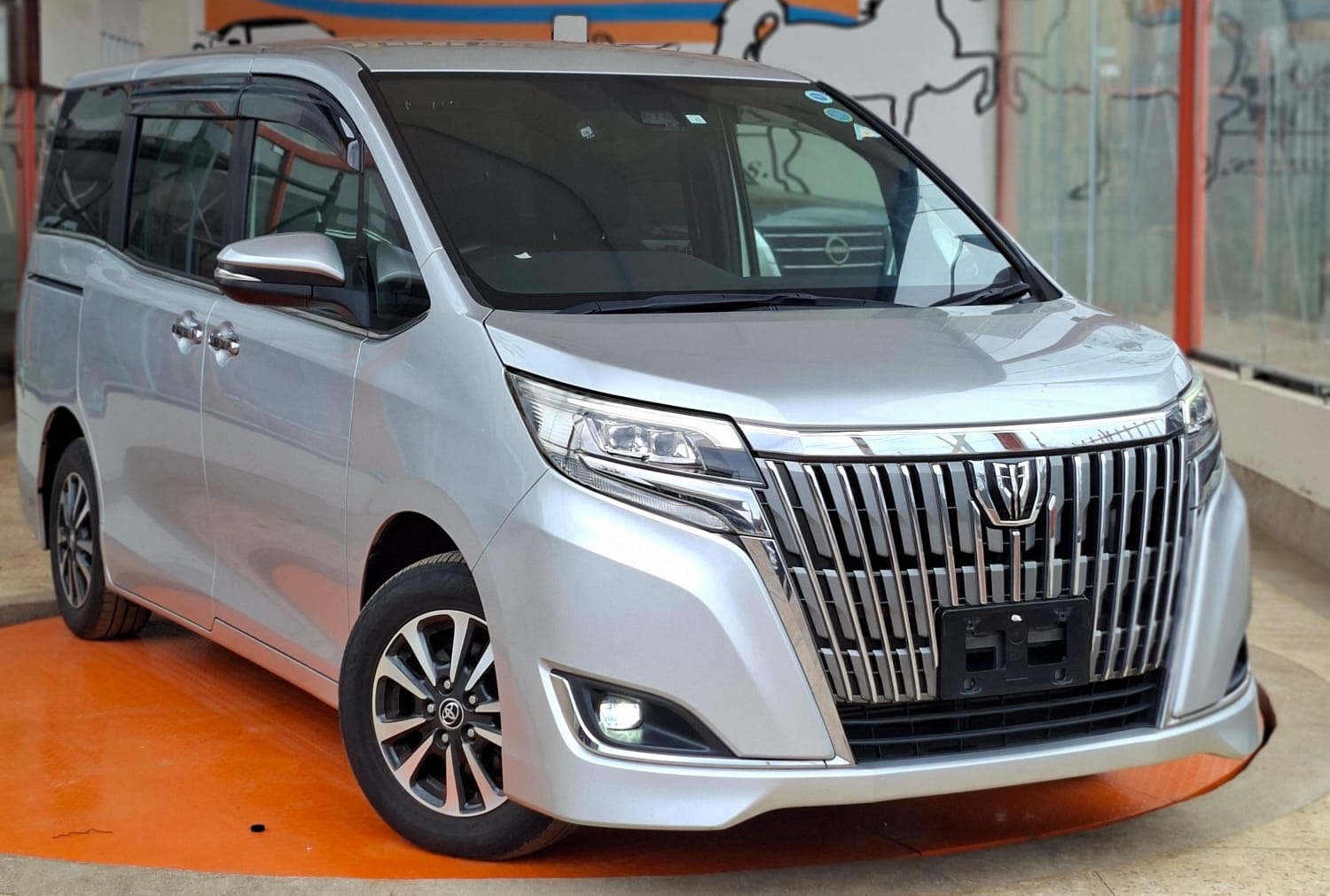
2019 Toyota Esquire
2000cc Non Hybrid Asking Price: KES 2.85m 2wd|| Push to Start || 8 seater || Low Mileage || Fabric Seats || Steering Controls ||Accident Free || Fog Lights||Reverse Camera call Jeff 0719635624
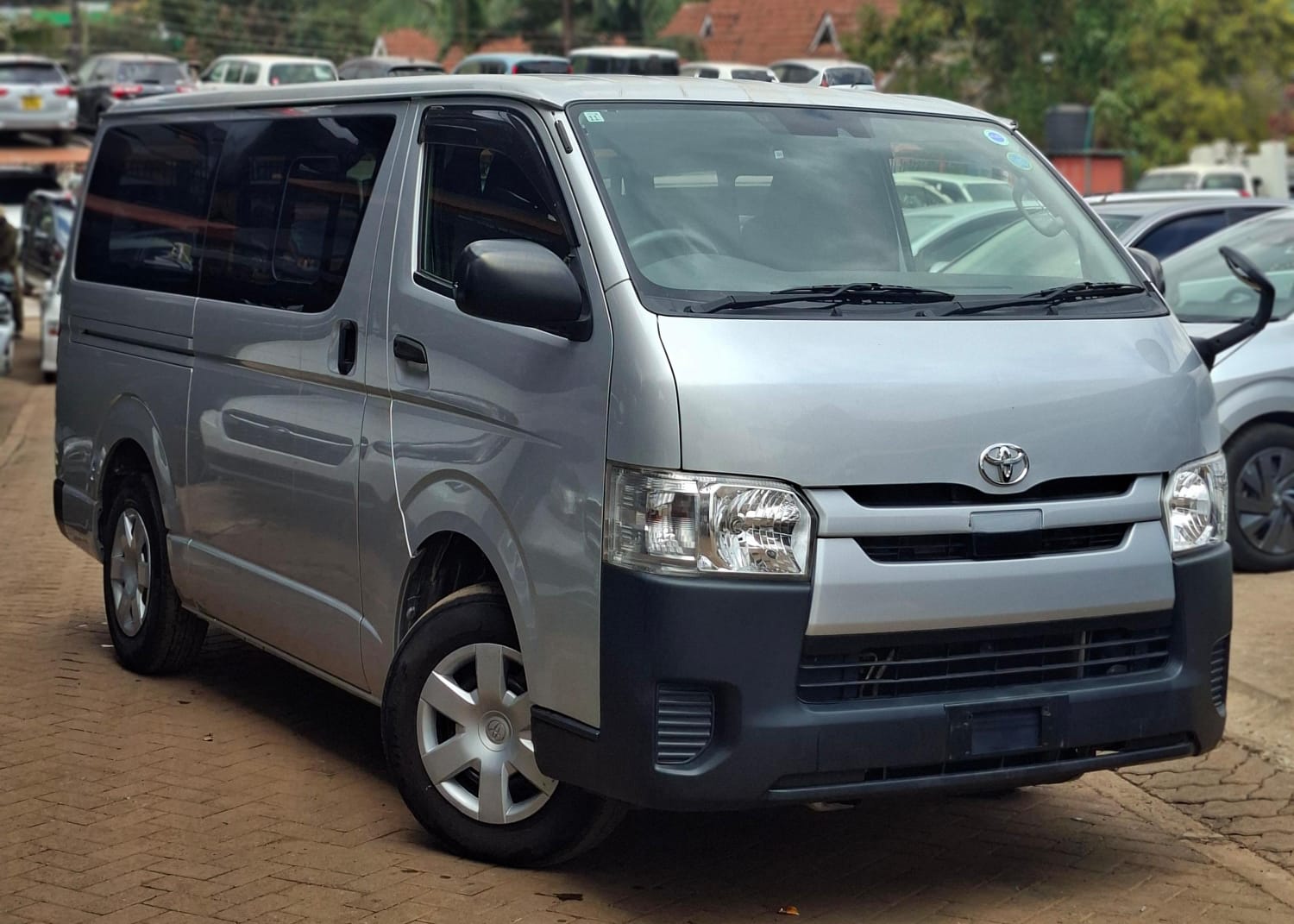
🚐 2019 TOYOTA HIACE — DIESEL | AUTOMATIC | LOW MILEAGE 🔥
Looking for a reliable, spacious, and economical van for business, family, or transport operations? This 2019 Toyota Hiace is a great choice! ✅ Key Features 2800cc Turbocharged Diesel Engine 💪 Automatic Transmission ⚙️ 2WD Dual…
Toyota Fielder Hybrid
CHOICE OF 4 UNITS:2018 Toyota Fielder Hybrid, 1500cc petrol engine,White exterior, Dark fabric upholstery, fm/dvd/bluetooth touchscreen player, Alloy rims, Roof rails,Steering controls,Foglights, Side Mirror winkers, Eco/EV modes,Traction control,Lane departure alert, Anti-Collision Assist, *Price-1.75m*